Mitutoyo Correct Usage Series
Proper Use of Gage Blocks: The Wringing Method


Mitutoyo Correct Usage Series
Proper Use of Gage Blocks: The Wringing Method
If you don’t have the exact size gage block you need, you can create it by wringing together multiple blocks. However, improper wringing can introduce gaps and lead to inaccurate measurements. Watch the video below to learn Mitutoyo’s recommended method for correctly wringing gage blocks to ensure precision and reliability.
Preparation: Key Points
Preparation: Video
Wringing Thick Gage Blocks: Key Points
Wringing Thick Gage Blocks: Video
Wringing Thick and Thin Gage Blocks: Key Points
Wringing Thick and Thin Gage Blocks: Video
Wringing Thin Gage Blocks: Key Points
Wringing Thin Gage Blocks: Video
Reference
Temperature stabilization is critical when using gage blocks. The figure below illustrates how a 100 mm steel gage block can experience dimensional changes when handled with bare hands. To prevent inaccuracies caused by body heat, always wear gloves and avoid direct contact with the gage block.
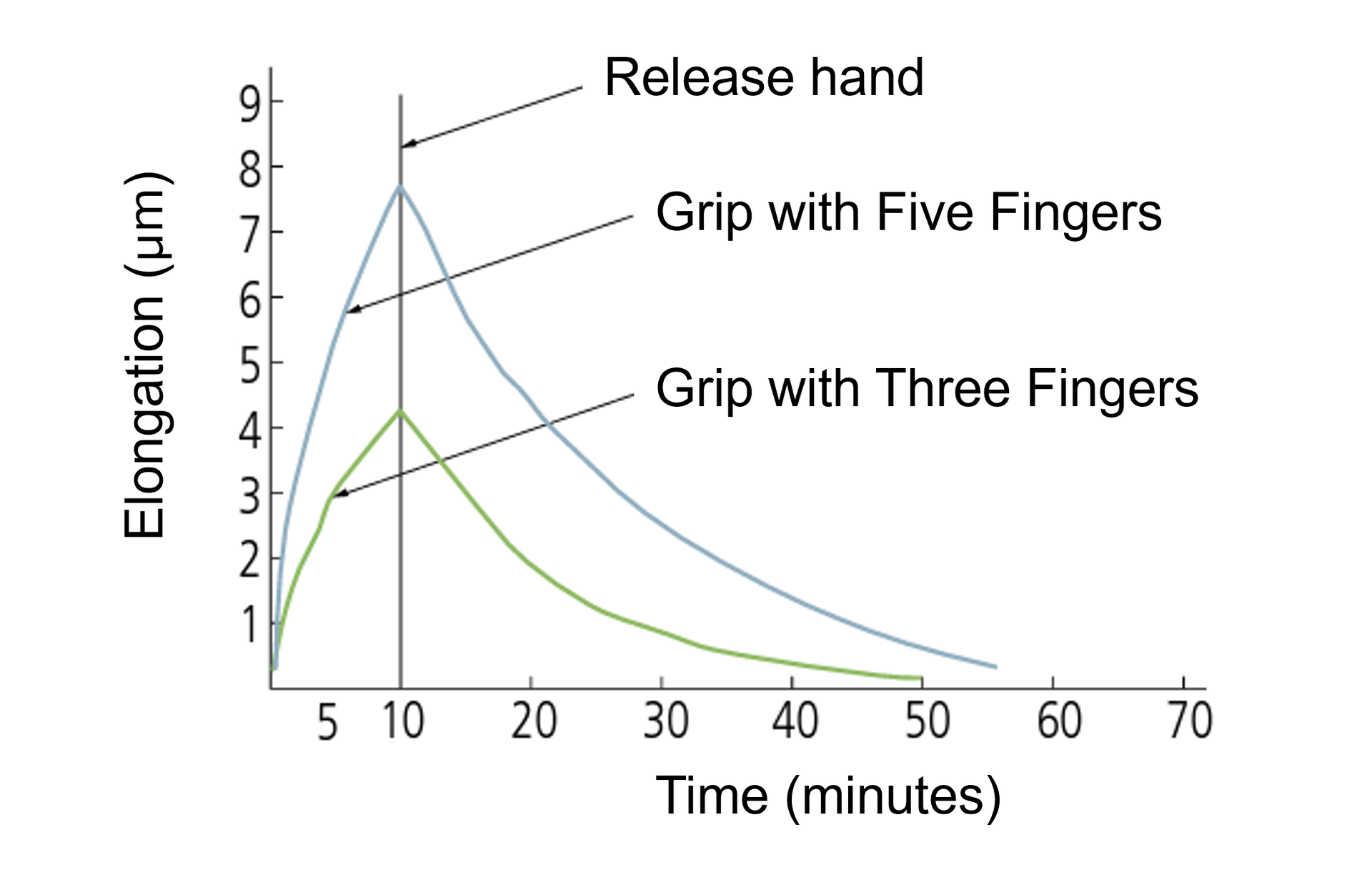
Note: Ceramic Gage Blocks offer greater resistance to thermal expansion due to low thermal conductivity, making them less susceptible to dimensional changes from handling.
Need help solving a measurement problem? Contact us anytime!
Related Solutions and Applications

Basics of Small Tool Handling
If you're looking to deepen your knowledge, why not take a structured approach? Through practical training, you can systematically learn how to read the scales of essential measuring tools, including cylinder gages, calipers, height gages, outer micrometers, inner micrometers, block gages, and dial gages.

Gage Block Series

Maintenance Kit for Gage Blocks
This convenient set includes all necessary maintenance tools for daily care and storage of gage blocks, including ringing and removal. Supplied in a fitted wooden case for portable use

Mitutoyo America Corporation. All rights reserved.