Solution Proposal from Mitutoyo
Measuring Instrument Overview


Solution Proposal from Mitutoyo
Measuring Instrument Overview
What is a Surface Roughness Measuring Machine?
Items Measurable with a Surface Roughness Measuring Machine
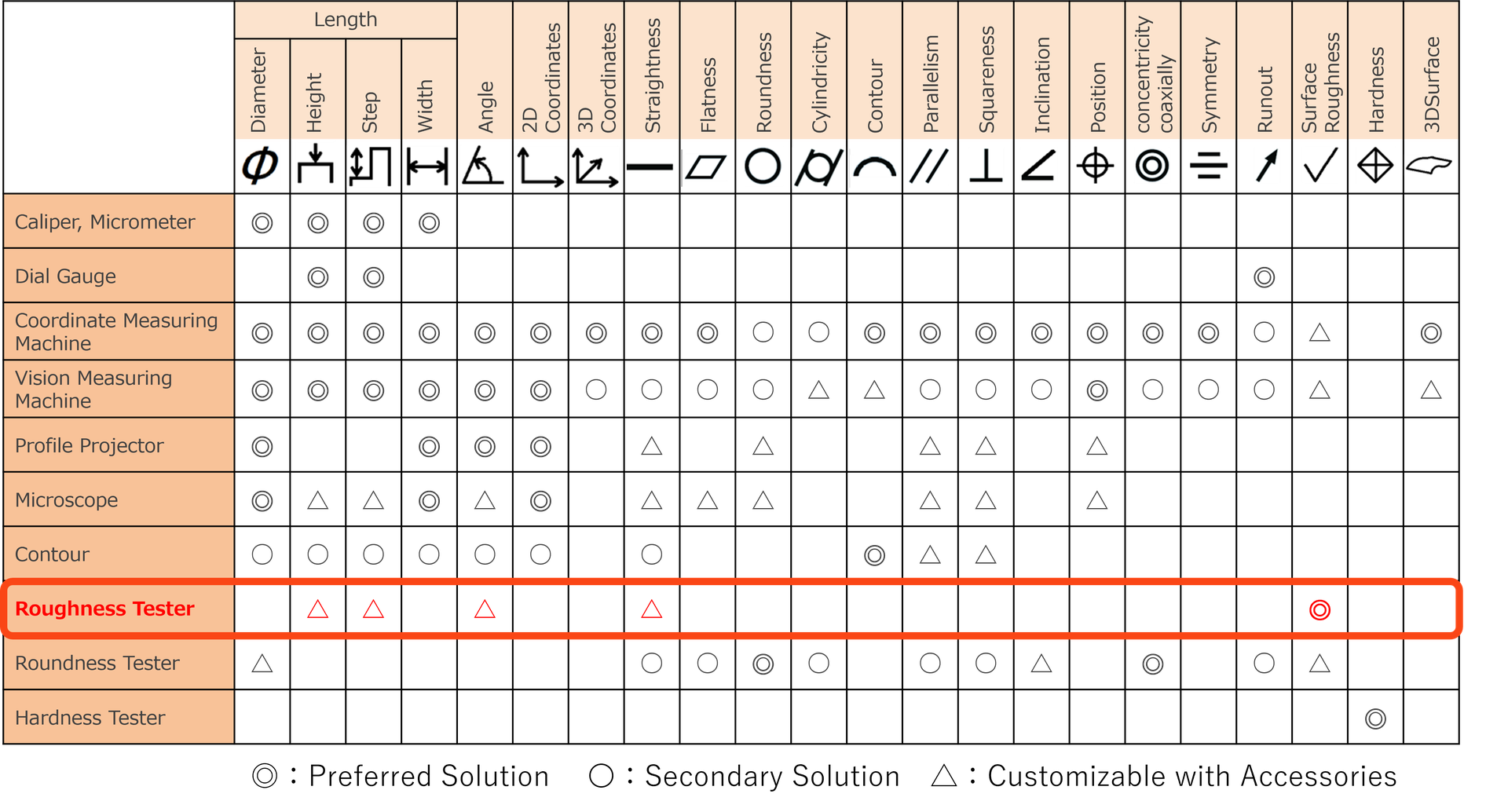
Key Point: A surface roughness measuring machine can also measure fine shape
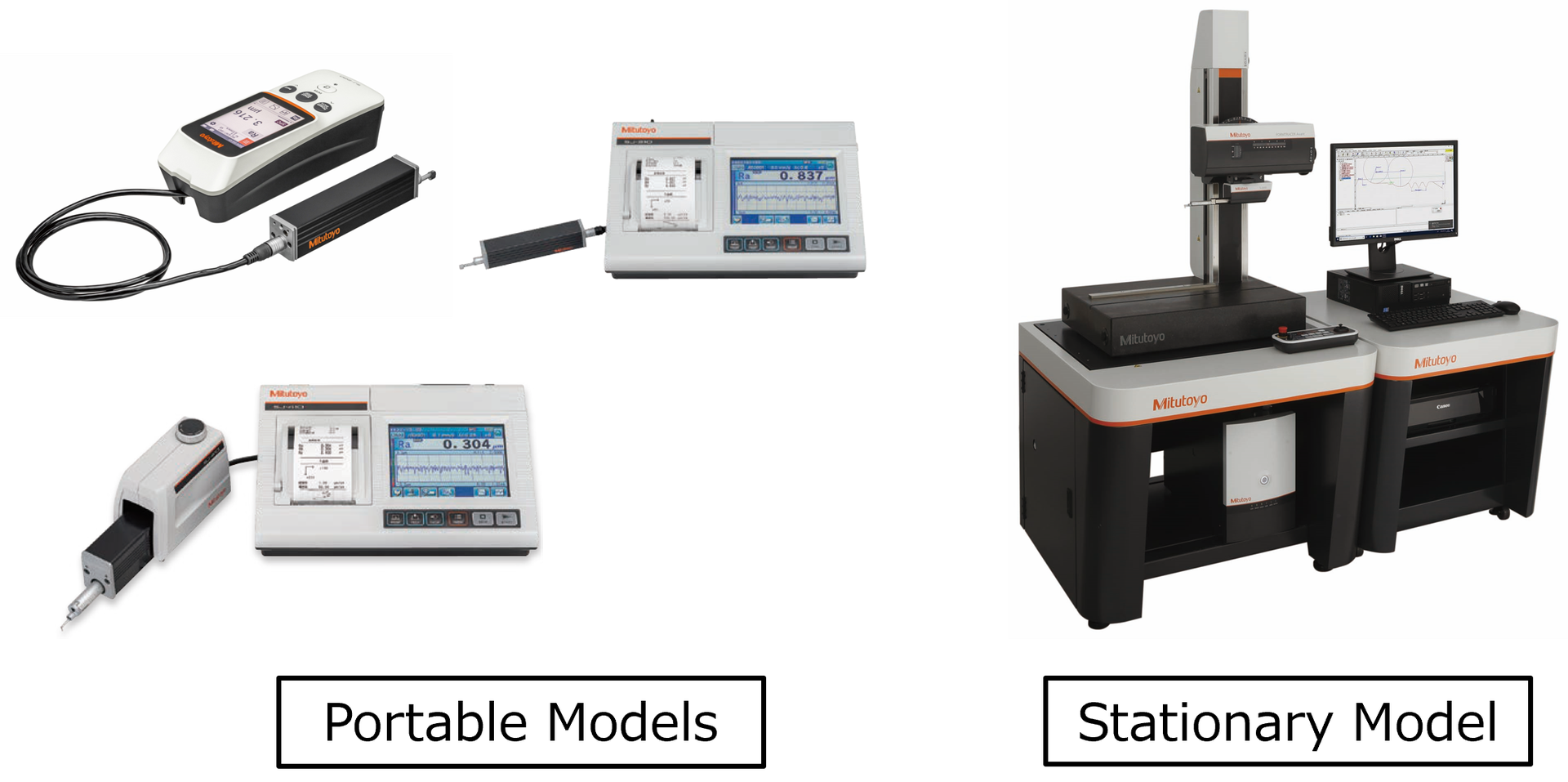
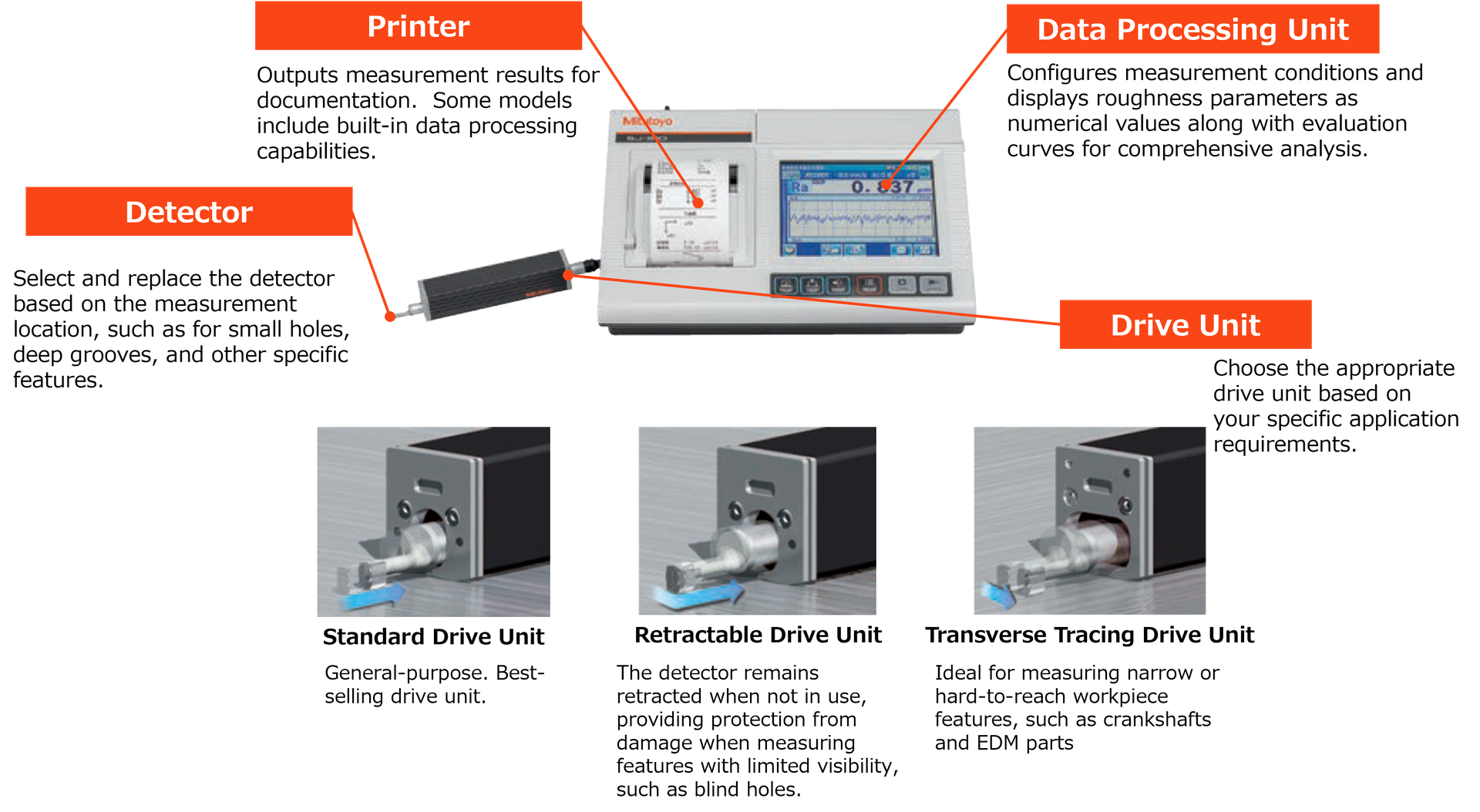
System Configuration: Portable Models
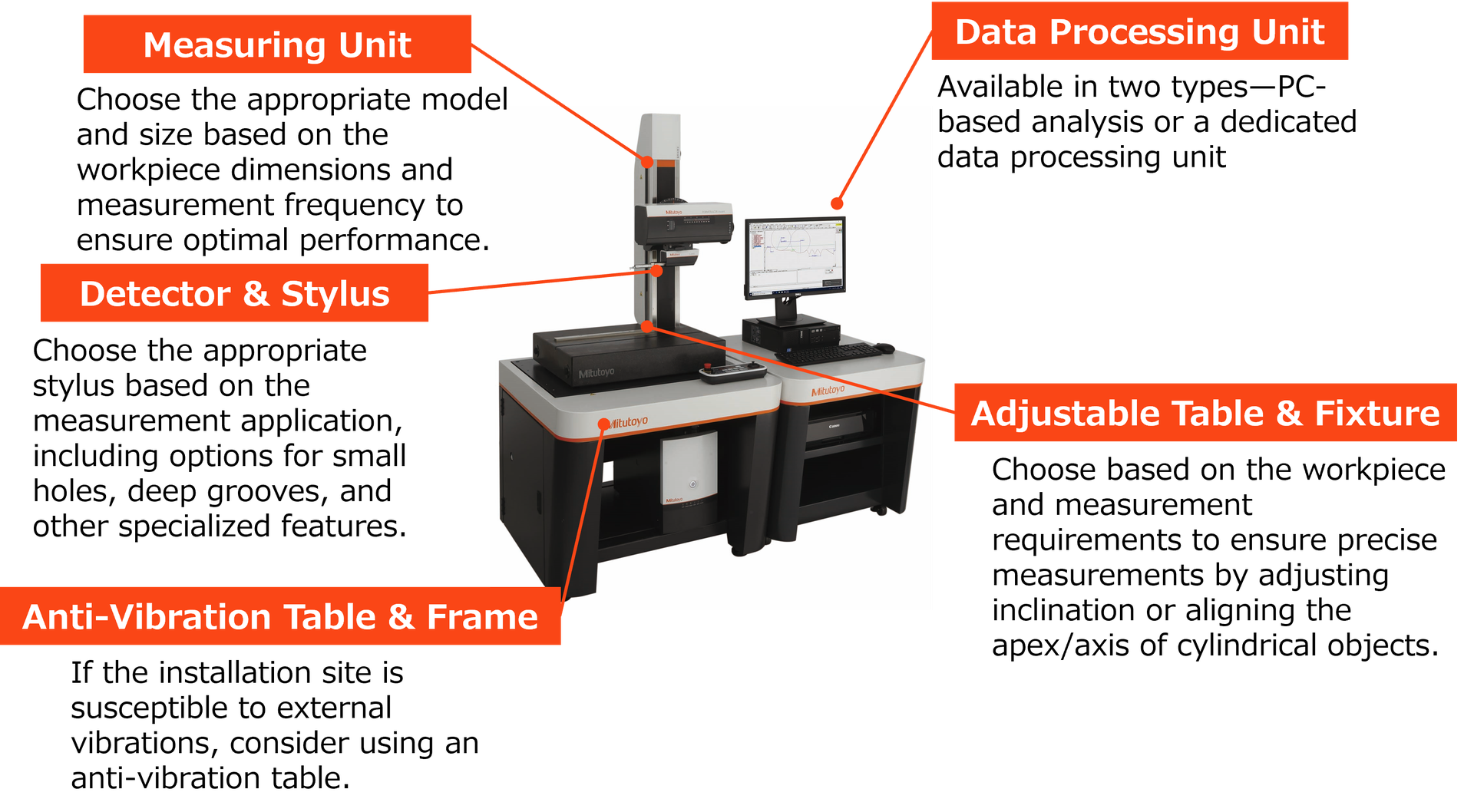
System Configuration: Stationary Models
Benefits of Implementation
Points to Consider When Selecting a Model
Measurement content
・Is it necessary to measure waviness and straightness?
・Need to evaluate fine shape?
・Need non-contact measurement?
Need help solving a measurement problem? Contact us anytime!
Related Solutions and Applications
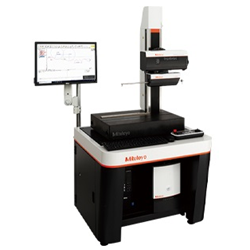
FORMTRACER Avant Series - Surface Roughness and Contour Measuring Instrument
The FORMTRACER Avant series offers versatile models that simplify setup and alignment, reduce workpiece securing time, and allow seamless conversion between contour and surface roughness measurement by retrofitting detectors after installation, ensuring precise measurements even in narrow areas.
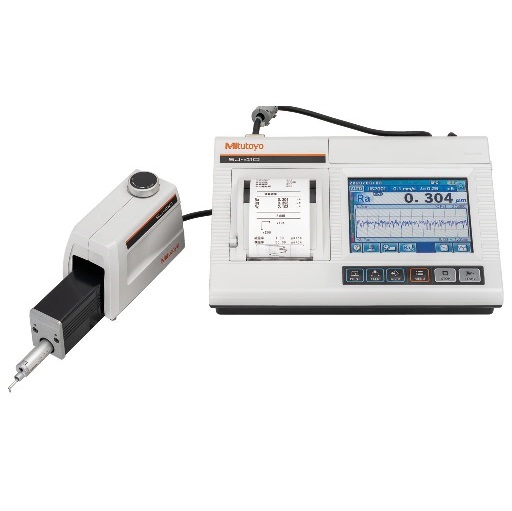
SJ-410 Series - Compact Surface Roughness Instrument
.A compact surface roughness instrument with analysis functions comparable to those of stationary surface roughness instruments. With a wide selection of stylus shapes to choose from, this model supports special forms at a low cost. It can also evaluate minute steps/depths.
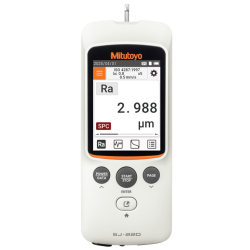
Surftest SJ-220 Series - Portable Surface Roughness Tester
The Surftest SJ-220 is a best-selling portable surface roughness tester designed for on-site use. This compact model features a large color LCD screen and a small measuring unit, providing convenience and efficiency for roughness measurements in any location.

Mitutoyo America Corporation. All rights reserved.